
Cart
0
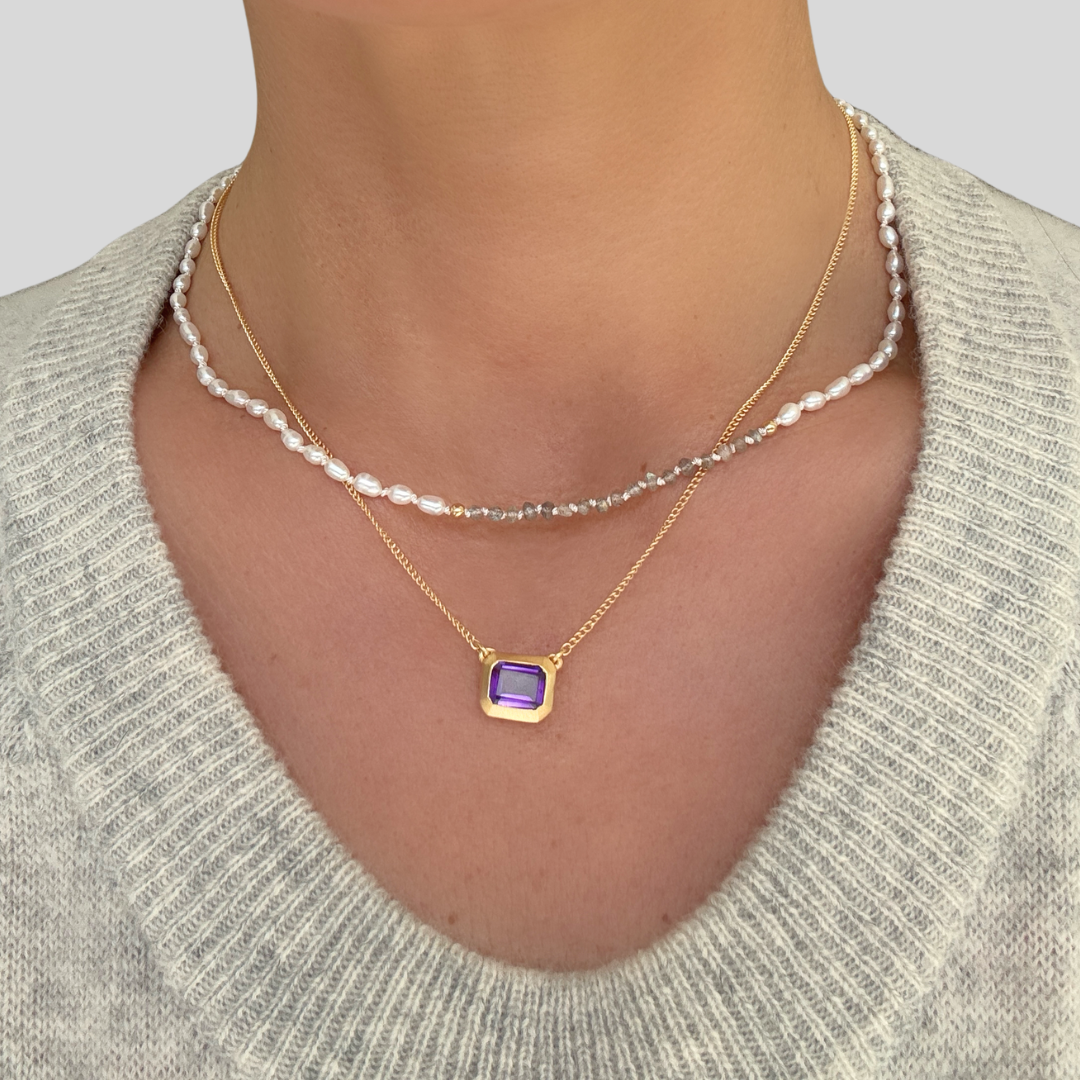
The modern focus on conscious consumerism leads people to use ‘ethical’ often, but many remain unclear on its real meaning when referring to gemstones in jewellery. The reality is complex.
The market becomes challenging to navigate, since there are no unified standards to define ethical principles. Your understanding of ethical sourcing will help you pick items that match your standards.
Beyond the Label: The Pillars of Ethical Sourcing
An ethical gemstone comes from mining operations that follow both social and environmental responsibility standards during extraction, processing, and trading stages.
Ethical sourcing extends beyond conflict-free standards into deeper practices. The two essential foundations supporting ethical sourcing consist of social responsibility and environmental sustainability.
- People: An ethical process requires organisations to provide safe working environments that benefit all personnel who work in the supply chain. The ethical practice requires fair pay for miners and cutters and prohibits child labour while creating positive social effects in gemstone discovery locations.
- The Planet: This pillar addresses the environmental impact of mining. The responsible approach to mining includes three essential elements: it protects the land from destruction while using water resources properly, eliminates toxic substances, and makes sure to recover the land after extraction operations end.
The term ‘sustainable’ appears frequently, but it fails to accurately represent its intended meaning. The non-renewable nature of gemstones prevents their extraction from being sustainable, because it involves removing resources from an exhaustible source.
The purpose of ethical sourcing is to create an extraction process which has the smallest possible environmental footprint.
The Power of Traceability
A gemstone moves through multiple entities which can number up to fifteen different hands before reaching a jeweller. The complex supply chain structure makes it almost impossible to determine where a gemstone originates from. The origin of a stone remains unknown to jewellers, which prevents them from verifying its mining conditions and ethical treatment during transportation.
The foundation of ethical sourcing relies on being able to trace all components throughout the supply chain. A ‘mine-to-market’ gemstone represents the highest ethical standard because it maintains full transparency throughout its entire documented journey.
Your purchasing decisions as a consumer can create positive change. Ask about both the source and mining practices of your gemstone. A jeweller who follows ethical principles will give you detailed information about their products. If you receive unclear responses it suggests the jeweller doesn’t know the origins or they’re not ethical.
Are Lab-Grown Gemstones the Answer?
The general perception that lab-created gemstones represent the standard ethical choice does not always hold true. The manufacturing process of laboratory-made gemstones requires substantial energy consumption, which generates notable carbon emissions.
The ethical status of lab-grown stones depends on the facility which produced them, its labour standards, and waste disposal methods for chemical byproducts. This option lacks inherent superiority because the ethical status depends on specific operational methods.
Selecting an ethical gemstone requires open disclosure of all information. Your search should focus on jewellery items whose narrative you can endorse with pride.
Do you want to acquire jewellery pieces that combine attractiveness with environmentally friendly characteristics? Browse the collection at FAIRLEY to discover a selection of consciously curated jewellery designs which match your ethical standards.


